Private William Feeley

This is part of a series of essays about the First World War casualties commemorated by the Commonwealth War Graves Commission in Massachusetts.
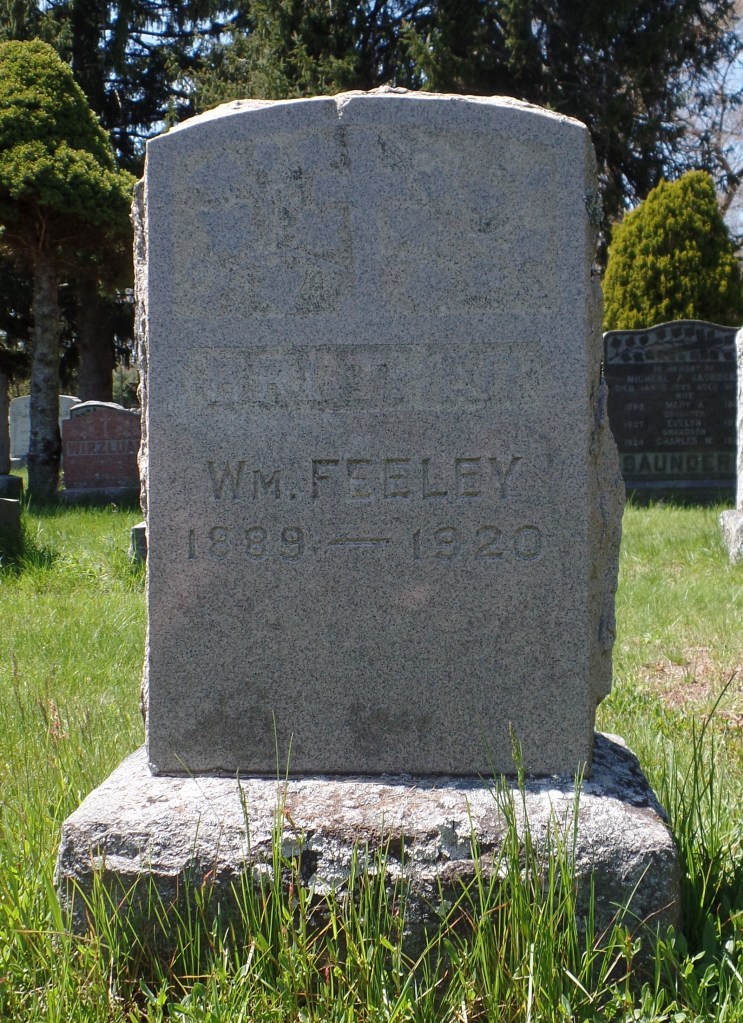
The grave of Private William Feeley

William Feeley was born on 20 May 1889 at Bandon in County Cork, Ireland. The use of different dates of birth and the commonality of his name and its variant spellings make it difficult to identify other family members but his enlistment papers indicate that his father lived in Timoleague, County Cork and that his sister, Catherine, lived and worked in Massachusetts.

He enlisted in Quebec on 28 January 1918 giving his date of birth as 20 May 1882 and indicating that he lived and worked in Dorchester, Massachusetts. He joined the 249th Battalion and was allocated the number 1070090. The battalion sailed for England aboard RMS Saxonia, arriving on 4 March, and on its arrival was absorbed into the 15th Reserve Battalion. Feeley served there until posted to France in early June with a reinforcement draft. After a period at the Canadian Base Depot, on 20 July he joined the details of 5th Battalion (Western Cavalry), an infantry battalion in 2nd Infantry Brigade, 1st Canadian Division. The battalion came out of the line in the early hours of 21 July and the following day it was joined in its billets in Arras by the draft of reinforcements, which numbered 100 other ranks.

Continue reading
Private Albert Moore Downs

This is part of a series of essays about the First World War casualties commemorated by the Commonwealth War Graves Commission in Massachusetts.

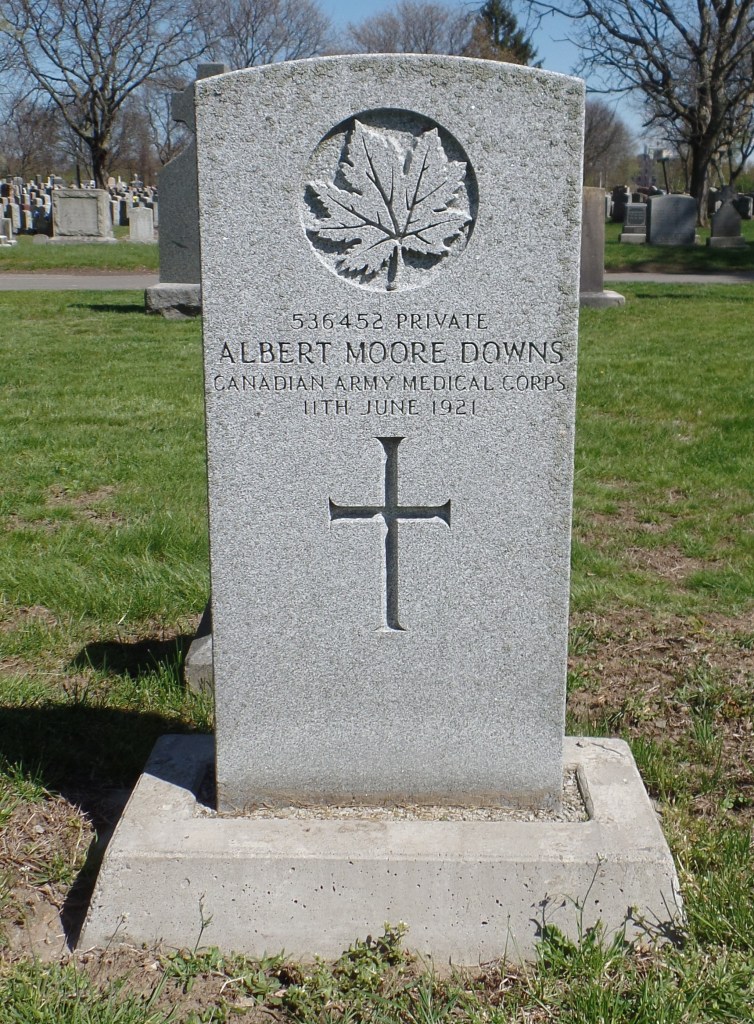
The grave of Albert Moore Downs

Albert Moore Downs (several records show his name as Albion) was born on 20 July 1873 in Maine, although he declared on his enlistment that he was born in Head Millstream, Kings County, New Brunswick. He was married with two daughters and prior to his enlistment he worked as a carpenter.[1]

He enlisted in New Brunswick on 2 March 1917 and joined No. 16 Canadian Field Ambulance (536452 Private), which was being raised in Saint John. The unit sailed from Halifax on 28 March 1917 aboard the RMS Saxonia and arrived in England on 7 April 1917. It served in England with 5th Canadian Division until the division was broken up in early 1918 and the medical personnel were despatched to the Canadian Army Medical Corps Depot at Shorncliffe. Downs was then posted to France to No. 1 Canadian Casualty Clearing Station, where he arrived in April 1918.

Continue reading

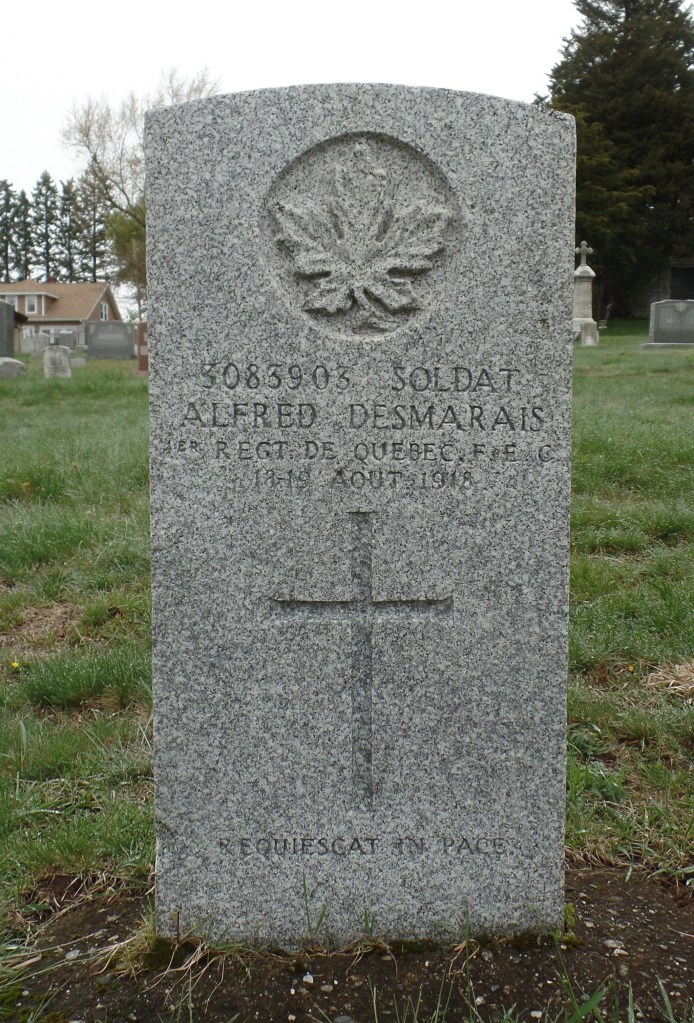
Private Alfred Desmarais

This is part of a series of essays about the First World War casualties commemorated by the Commonwealth War Graves Commission in Massachusetts.

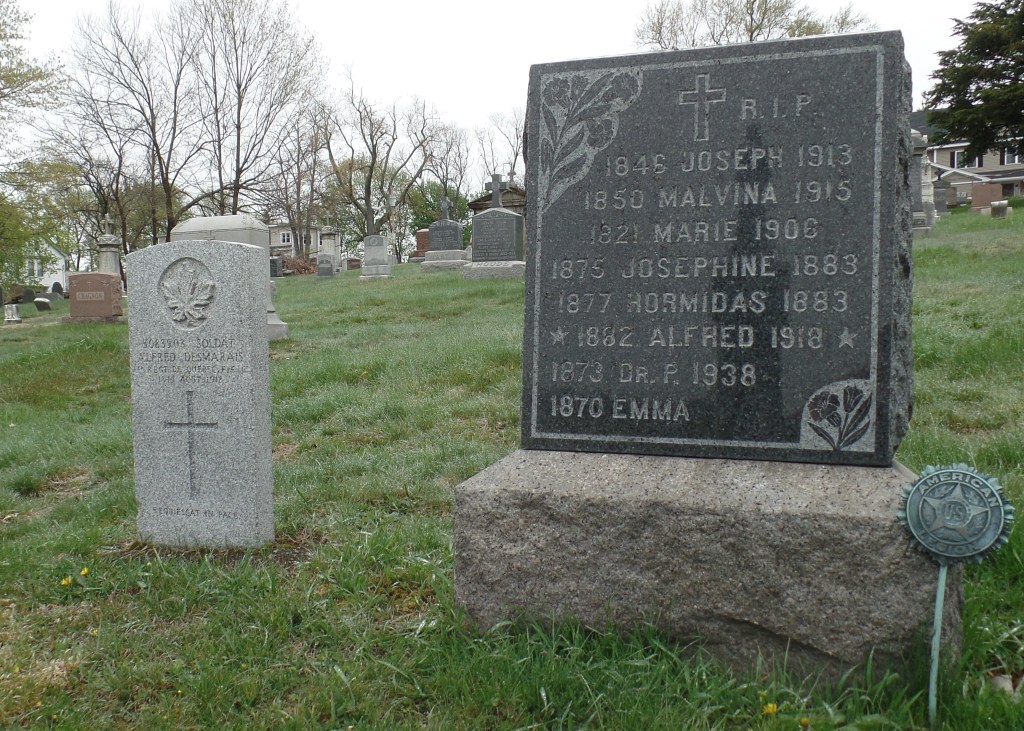
The grave of Alfred Desmarais

Alfred Desmarais was born in Massachusetts on 13 March 1882 into a French Canadian family; his father had emigrated to the United States as a young child. Prior to his enlistment he worked as a shoemaker.[1]

Desmarais enlisted on 23 April 1918 at Montreal and joined 1st Depot Battalion, 1st Quebec Regiment and was allocated the number 3083903. Although transferred to the 8th Overseas Draft in mid-May, while at Halifax prior to embarkation Desmarais had a ‘fit’ and was sent for examination at the Station Hospital. Diagnosed with epilepsy, his medical category was reduced firstly to ‘C-1’, fit for garrison service, and then to ‘E’, unfit for further service. He was readmitted to hospital on 9 August having had another seizure but the doctor examining him stated that he did not see a reason to admit him to hospital every time he had an episode because he was awaiting discharge. Desmarais was sent to Saint-Jean-sur-Richelieu to await final processing an accommodated at the National Hotel. He died there in his sleep on the night of 18/19 August 1918 having had another seizure. His remains were returned to his family and he was buried in Saint Mary’s Cemetery, Marlborough. His grave (L-517) is in a family plot.

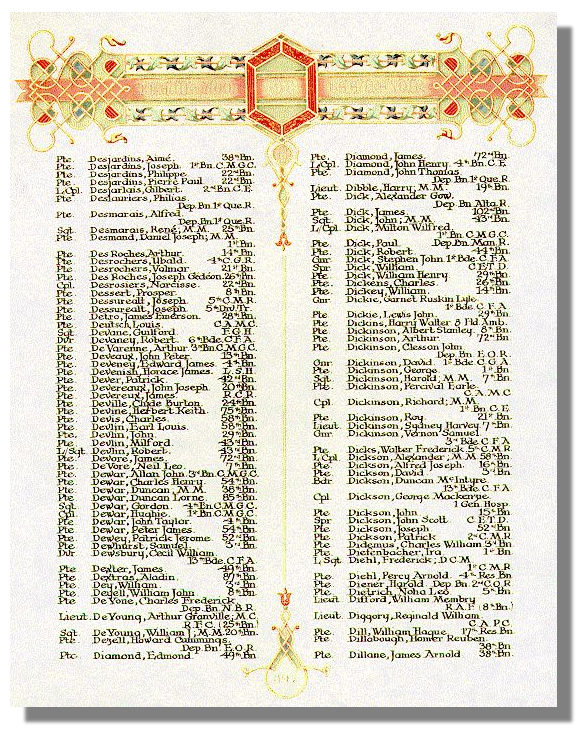
Private Alfred Desmarais is commemorated on page 397 of the Canadian First World War Book of Remembrance; that page is displayed on 27 August.


1. (Back) Joseph Desmarais (1846-1913) married Melvina Lacouture (1850-1915) on 24 June 1866 in Marlborough, Massachusetts. Three of their eight children survived childhood: Emma (27 August 1870-NK); Philias (12 October 1973-1938).

Private Eugene C. Daly

This is part of a series of essays about the First World War casualties commemorated by the Commonwealth War Graves Commission in Massachusetts.

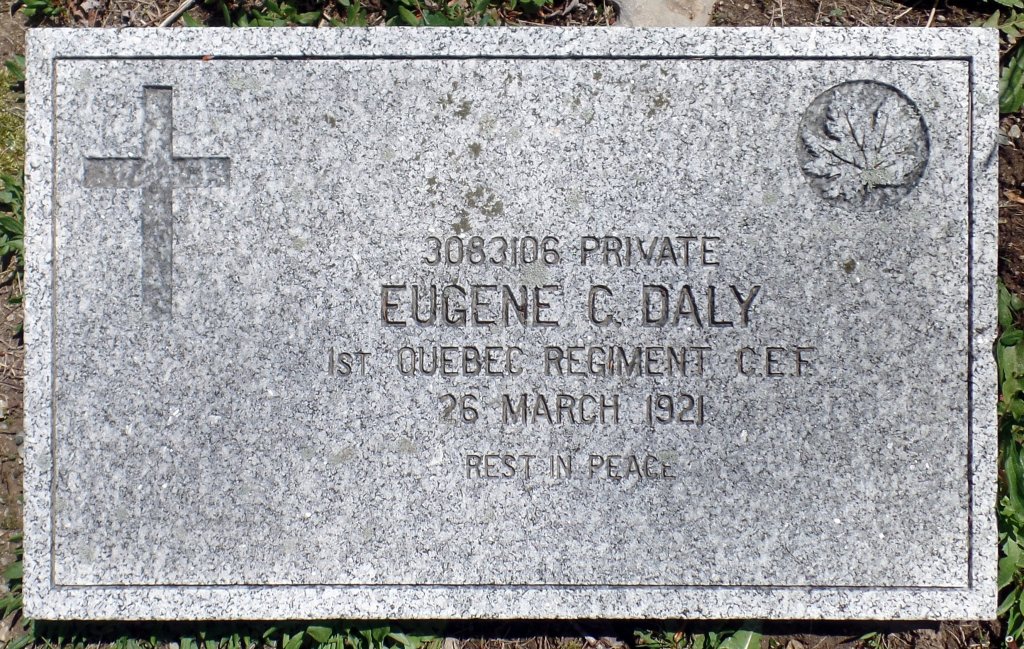
The grave of Private Eugene C. Daly

Eugene Daly was born in Massachusetts on 14 June 1879, the eldest of the six children of an Irish immigrant father and a Canadian mother.[1] After leaving school he worked as a painter before he enlisted on 4 May 1898 for service in the Spanish American War. He joined Company ‘A’, 9th Massachusetts Infantry, and served in Cuba. The Regiment returned to the United States in August 1898 and Daly was discharged on 26 November. He then found work as a filing clerk before enlisting into the United States Army. He served two periods of enlistment from 12 October 1907 to 11 October 1910 and from October 1910 to 6 June 1912, when he was discharged ‘without honor’. The records indicate that his first period of service was with the Hospital Corps at Fort Robinson, Nebraska, and that the second was with Company ‘C’, 7th Cavalry at Fort William McKinley in the Philippines. In March 1917 Daly was admitted to the recently opened National Home for Disabled Volunteer Soldiers at Togus, Maine suffering from a range of ailments including chronic gastritis and chronic rheumatoid arthritis; he was discharged three months later.

Continue reading

Private William Johnson

This is part of a series of essays about the First World War casualties commemorated by the Commonwealth War Graves Commission in Montanna.

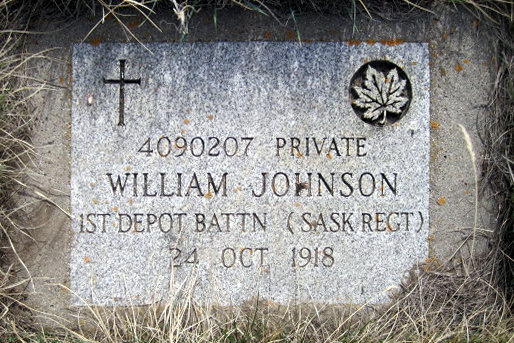
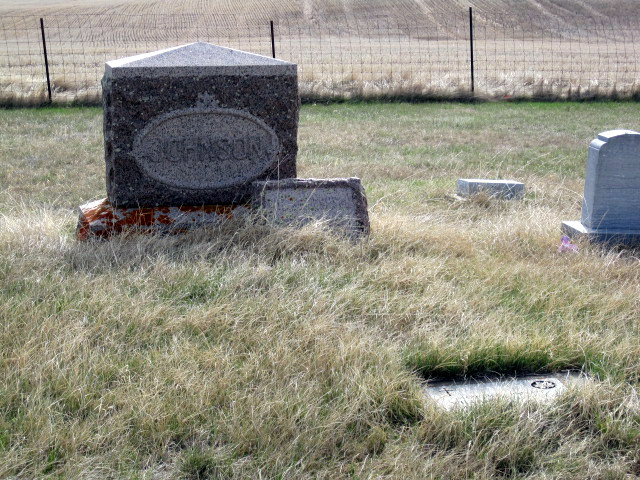
Grave of Private William Johnson

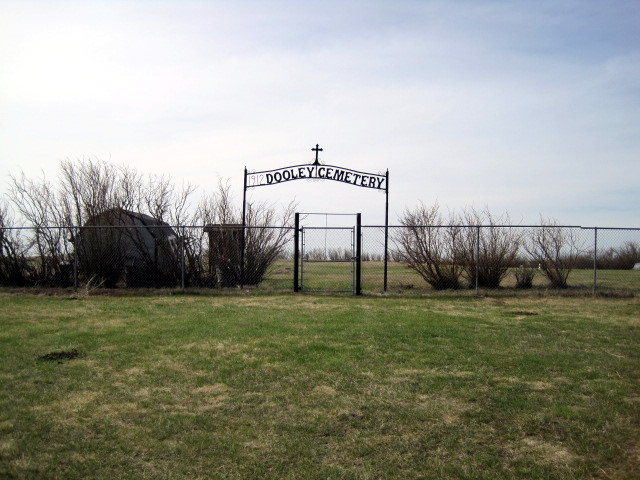
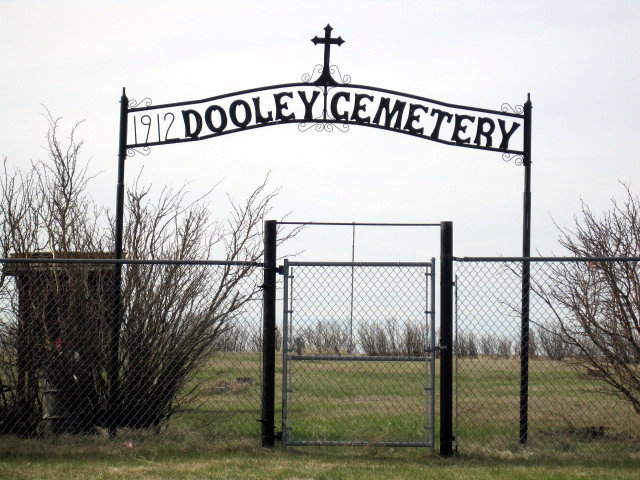
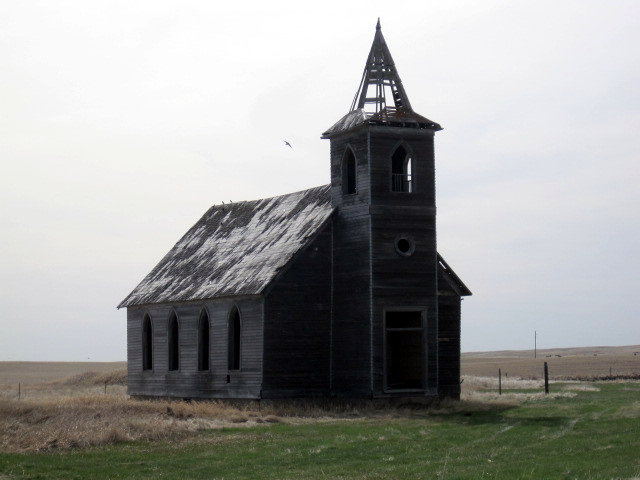
Private William Johnson died on 24 October 1918 and is buried in Dooley Cemetery, Dooley. Biography to follow.

Private John McKay

This is part of a series of essays about the First World War casualties commemorated by the Commonwealth War Graves Commission in Maine.

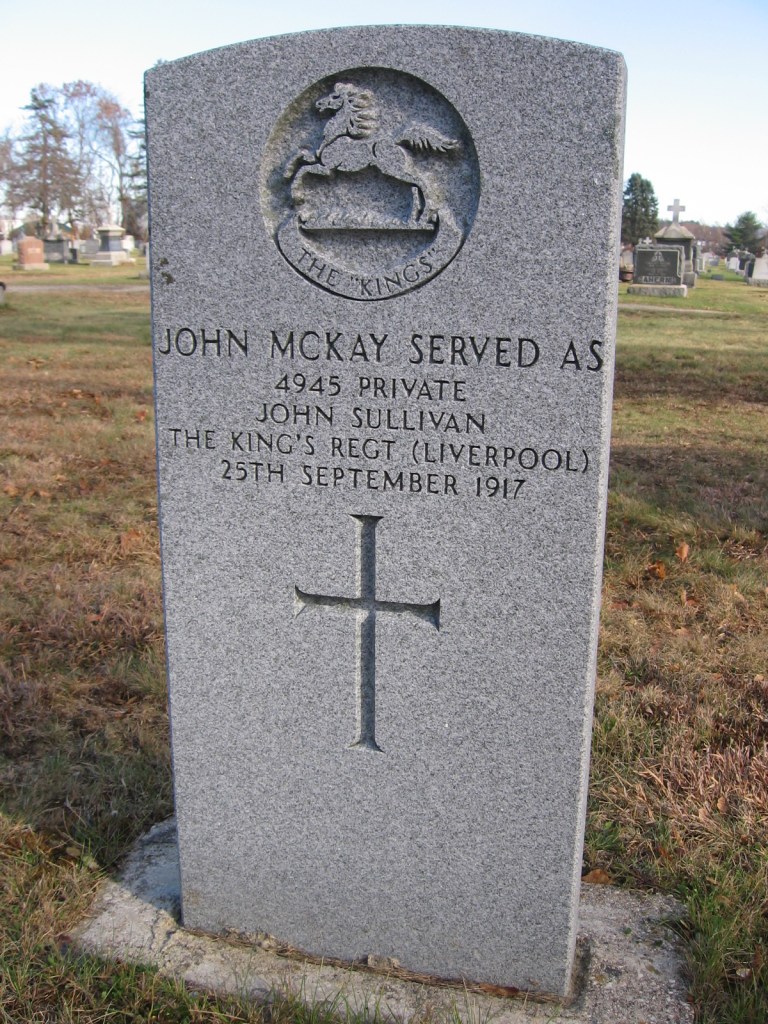
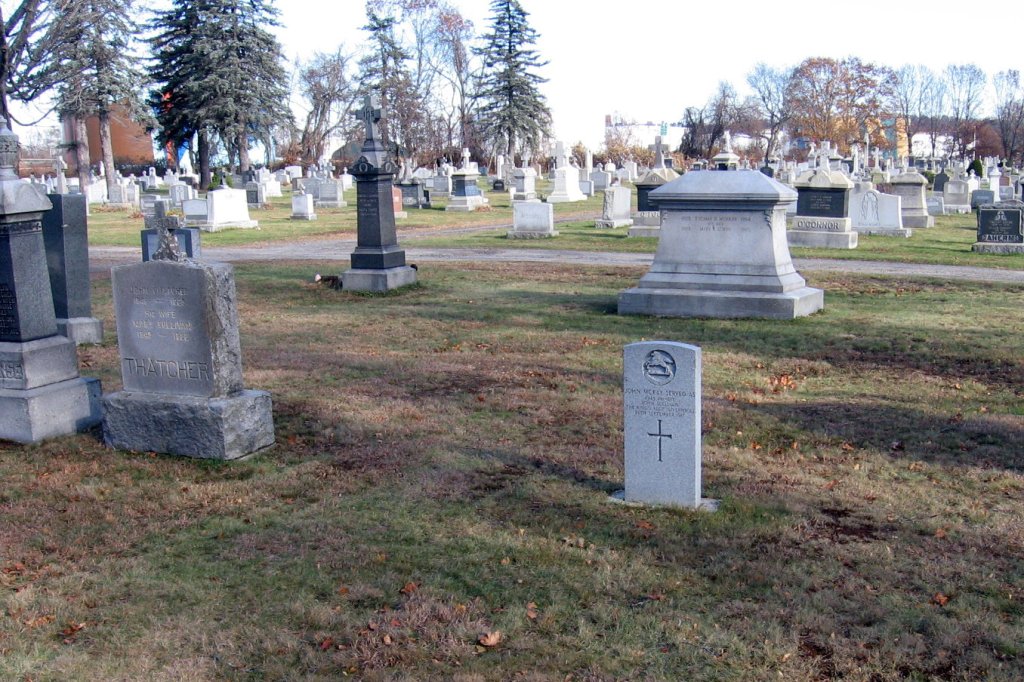
Private John McKay, who served as John Sullivan, died on 25 September 1917 and is buried in Calvary Cemetery, South Portland. Biography to follow.

Project Update – October 2019

The pressure of another project with an impending deadline has kept me from adding as many biographies as I would have liked but behind the scenes there has been significant progress recently in correcting the errors on the online commemorations and on incorrectly inscribed gravestones maintained by the Commonwealth War Graves Commission for the First World War casualties buried in the United States.

Here is what we have achieved:

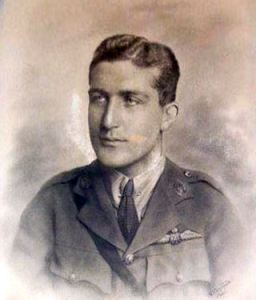
Lieutenant Louis Bennett Jr.

Lieutenant Louis Bennett Jr. was killed in action while flying with No. 40 Squadron, Royal Air Force. His remains were reinterred in Machpelah Cemetery, Weston, West Virginia on 14 April 1920 alongside his father. His mother was buried beside them in 1944. For many years Bennett had been commemorated incorrectly as having been killed on 7 October 1918. This had been challenged previously but a ruling by the Royal Air Force’s Air Historical Branch in 1995 resulted in this error being maintained until challenged again in 2019 using, primarily, the evidence presented in the thesis by Dr. Charles D. Dusch’s, who also wrote the piece for the project. The CWGC commemoration now reflects the correct date of death.

Continue reading

Sapper Byron Everard Nash

This is part of a series of essays about the First World War casualties commemorated by the Commonwealth War Graves Commission in Maine.

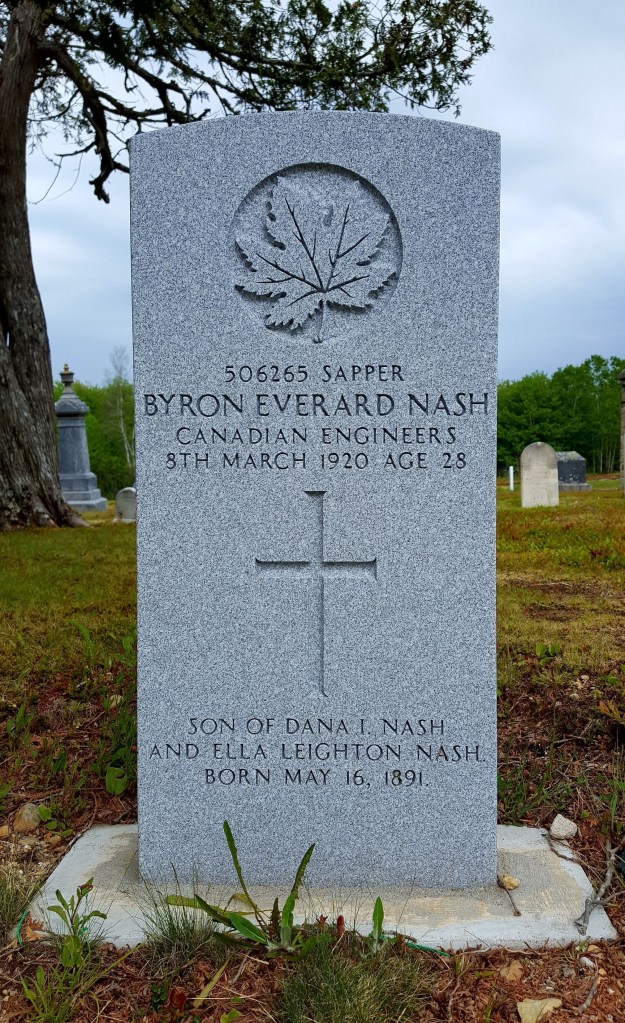
The grave of Sapper Byron Everard Nash

Byron Everard Nash was born on 16 May 1891 at North Beverly, Massachusetts, the only son and youngest of the two children of Dana and Ella Nash.[1] The family lived in Essex County, Massachusetts for a period, where his father was a newspaper salesman, before his mother and the two children moved to Ellsworth, Maine, near where the family originated. His mother was a telegraph operator and when Byron left school and became a telegraph linesman.

Byron Nash travelled north to Canada in April 1916 and enlisted on 25 October at Windsor, Ontario. He joined the Canadian Engineers Signal Service and was allocated the regimental number 506265. He arrived in England onboard the SS Grampian on 6 February 1917 and joined the Signal Company, Canadian Engineers Training Depot at Crowborough. Nash reported sick in March 1917 and was admitted to No. 14 Canadian General Hospital at Eastbourne suffering from diabetes. Deemed unfit for further service, he was evacuated to Canada in May 1917. On his arrival in Canada he was admitted for treatment London Military Convalescent Hospital in Ontario. In early 1918 it was determined that no further treatment was possible and was discharged from the Army in March 1918. Nash died of diabetes exacerbated by tuberculosis on 8 March 1920 at the family home on Franklin Street, Ellsworth. He is buried in the family plot in Forest Hill Cemetery, Harrington.

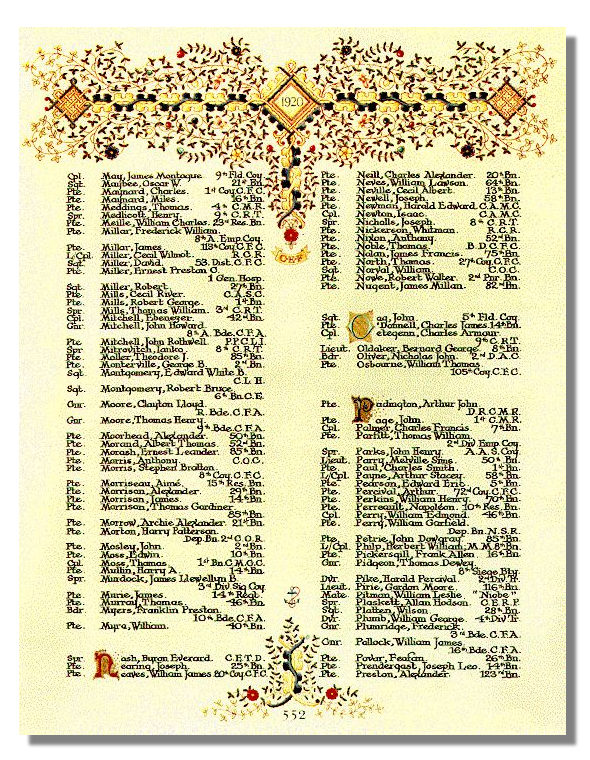
Private Byron Everard Nash is commemorated on page 552 of the Canadian First World War Book of Remembrance; that page is displayed on 24 November. For his war service he was awarded the British War Medal 1914-20; his medal and the memorial plaque and scroll were sent to his father, and the Memorial Cross was sent to his mother.

The Canadian Book of Remembrance showing the entry for Sapper Byron Everard Nash

Acknowledgement:
J. Fenn-Lawson on Find A Grave for the photograph of Nash’s gravestone.


1. (Back) Dana J. Nash (7 January 1869-16 December 1929) married Ella G. Leighton (25 March 1863-NK) on 25 September 1888; Jessie M. (later Howard) (24 March 1889-8 June 1949).