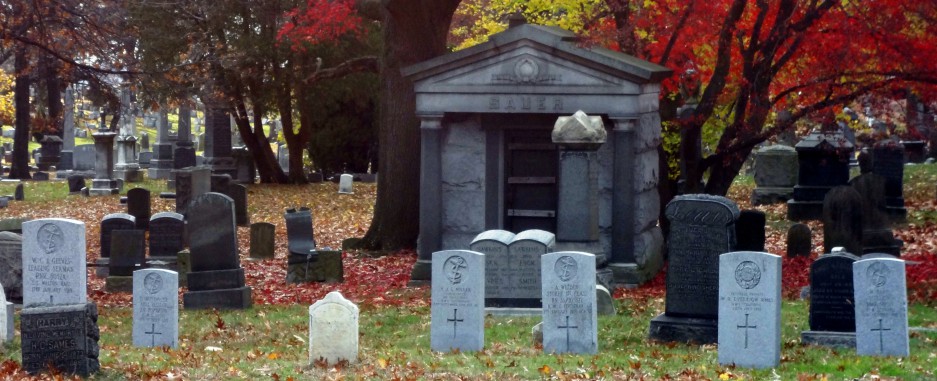
Private James Doval Stewart

This essay is about the single First World War casualty commemorated by the Commonwealth War Graves Commission in Georgia.

This is not for you fellows, this is a white man’s war.” [1]
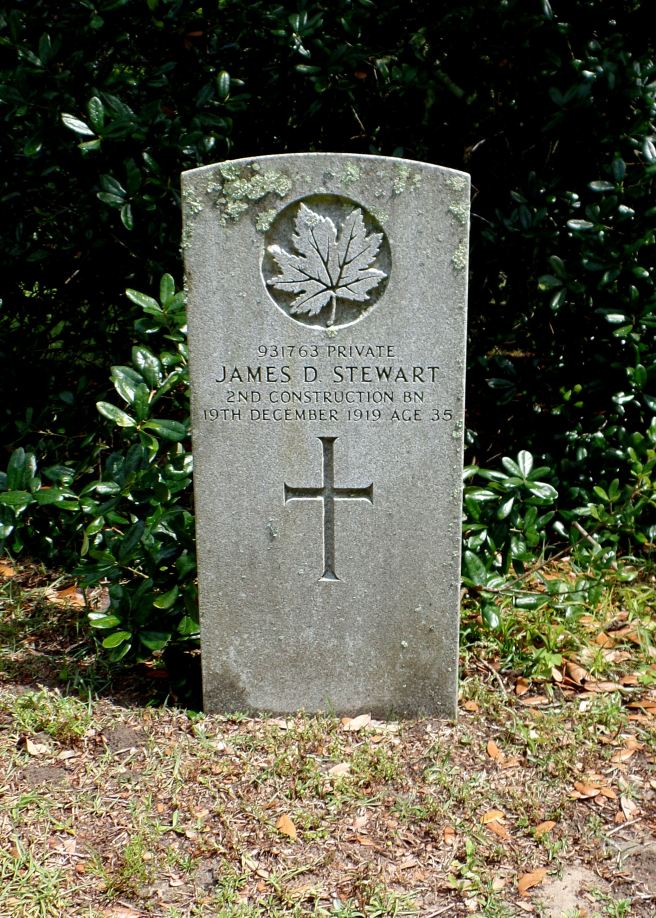
The grave of Private James Doval Stewart

The recruitment of Black Canadians for service with the Canadian Expeditionary Force caused much debate in Canada. Many Black Canadians, swept along by patriotic fervour at the beginning of the war wanted to volunteer but prejudice prevented widespread recruitment. By November 1915 orders had been issued to allow recruitment of Black soldiers; it was largely ignored. Although small numbers of Black Canadians had managed to enlist from early in the war, it was not until after the introduction of conscription that Black soldiers served in any numbers; even then few made it to front-line battalions. The largest group of Black Canadians to serve with the Canadian Expeditionary Force did so in No.2 Construction Battalion.[2]

Continue reading
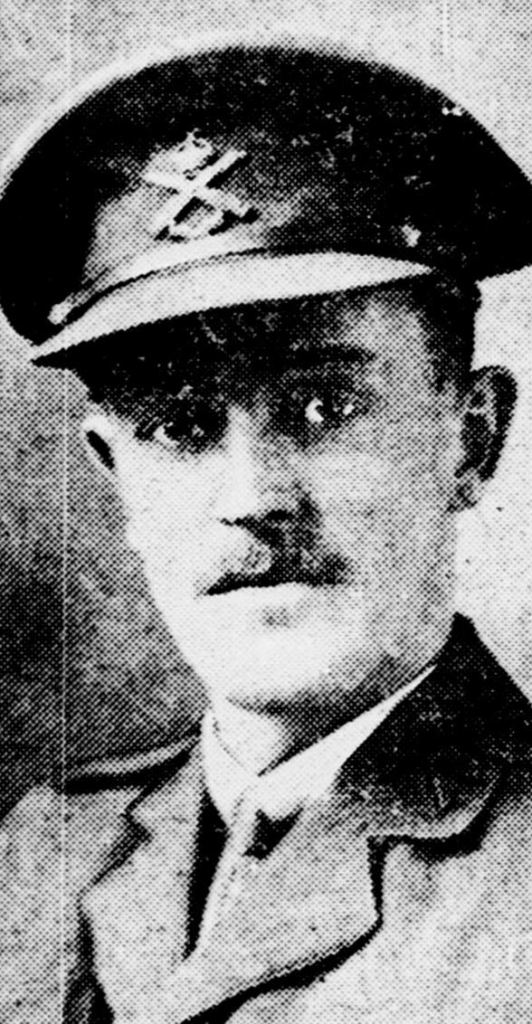
Private William Baxter Franklin

This essay is about the single First World War casualty commemorated by the Commonwealth War Graves Commission in North Carolina.

Private Baxter Franklin

William Baxter Franklin was born on 11 November 1896 at Pigeon Township, near Canton, North Carolina. He was the fifth of the six children of John Baxter Franklin, a farmer, and Minnie Francis (née Penland).[1] A few days after his third birthday, Baxter Franklin’s father died. Minnie was unable to provide for the children and they went to live with her parents, Reed and Lavonia Penland. The young family moved with their grandparents to Medicine Hat, Alberta in 1902.[2]

By 1910 Baxter had returned to North Carolina and was working as a farm hand on a property at Pigeon. On 23 May 1912 he moved back to Canada and went to work as a teamster near the hamlet of Old Wives in Saskatchewan, where his brother Charles had bought land.

He enlisted very early in the war, on 27 September 1914, at Valcartier in Quebec, the primary training base for the First Canadian Contingent.

Continue reading

Lieutenant William Strong

This is part of a series of essays about the First World War casualties commemorated by the Commonwealth War Graves Commission in Virginia.

Lieutenant William Strong, Canadian Machine Gun Corps

This is a fight for humanity and I want to be in it.’[1]

William Strong came from prominent family in Washington DC—his paternal grandfather, also William Strong, was an Associate Justice of the Supreme Court.[2] His maternal grandfather, John Watkinson Douglass, had been President of the Board of Commissioners for Washington DC, as had his uncle, Henry Brown Floyd MacFarland. Reportedly, William Strong was the first man from Washington DC to volunteer to fight. He served with the Canadian Machine Gun Corps in France, before falling ill. He died in 1919.

Continue reading

Private Charles Philip Gruchy

This is part of a series of essays about the First World War casualties commemorated by the Commonwealth War Graves Commission in Virginia.

The Canadian Book of Remembrance showing the entry for Private Charles Philip Gruchy

Charles Philip Gruchy, a Canadian, served in France with the 3rd Battalion, where he was wounded. He succumbed to illness after the war while living in the United States; his death being attributable to his war service.

He was born at D’Escousse on Isle Madame in Nova Scotia on 12 June 1880.[1] His father, Peter William Gruchy, a merchant and trader, married his mother, Eliza Lucy (née Ward), in 1874. They had eight children, of which only three—Charles and his sisters Nellie and Violet—survived beyond childhood.[2]

After leaving school, Charles Gruchy worked as a bank clerk and he served for three years with 17th Field Battery, Canadian Artillery in the Non-Permanent Active Militia.

He enlisted for service with the Canadian Expeditionary Force early in the war, on 12 August 1914, when he joined the Active Service Mobilisation Detachment of 27th Lambton Regiment (St. Clair Borderers).

Continue reading